Snapping: the attack a lock change is meant to stop
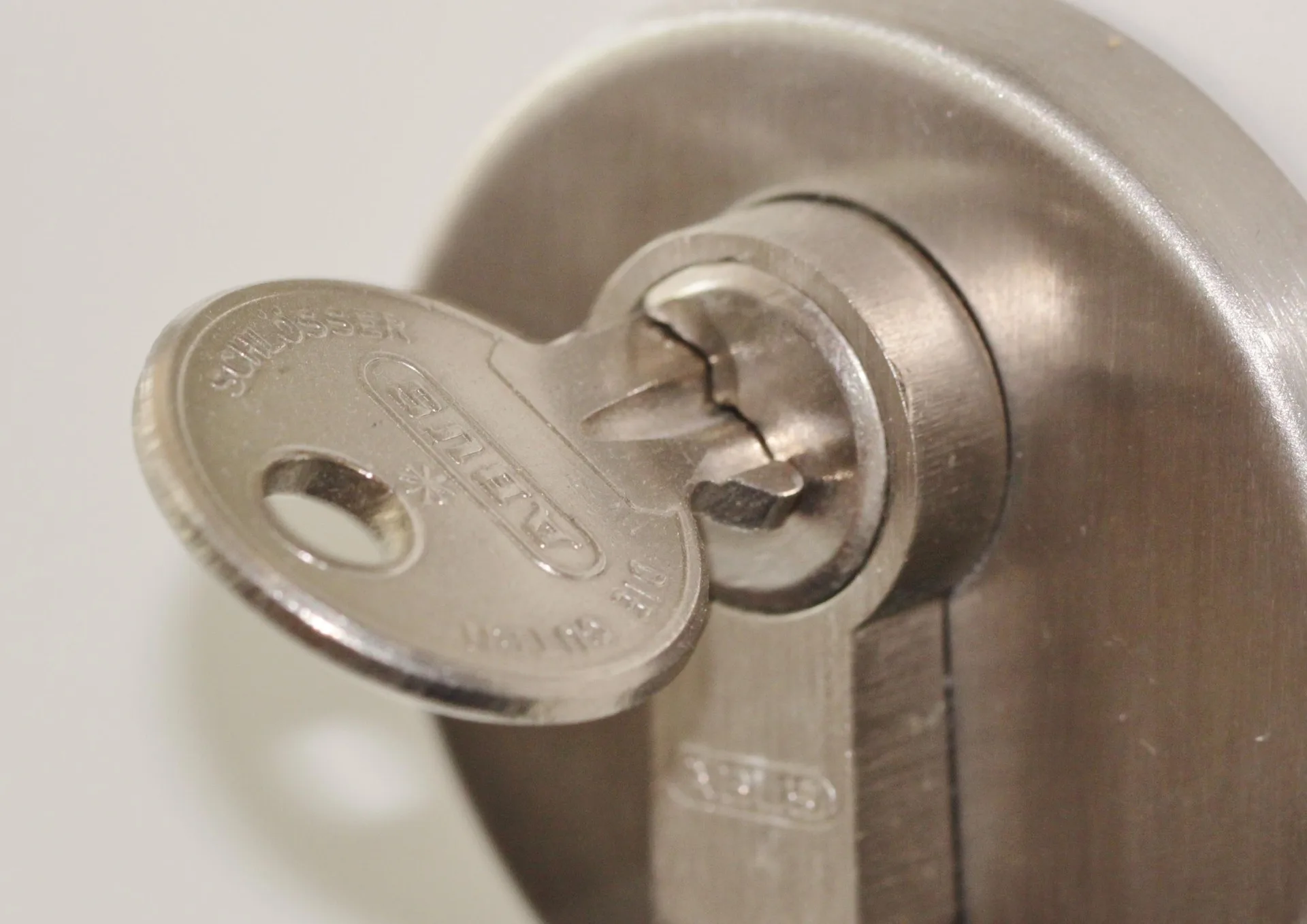
Most uPVC and composite doors are locked by a euro cylinder, the barrel shaped lock your key goes into. Every hook and bolt down the edge of the door is driven through that one cylinder, so if it breaks, the rest stops mattering. The Master Locksmiths Association describes lock snapping as "a very common method used by burglars" and says it "requires ZERO skill by the thief". A basic cylinder that sticks out past the handle gives a burglar something to grip and break.
The cylinder ratings worth paying for
Two ratings matter on a euro cylinder. The first is the BSI Kitemark scheme known as TS 007. A one star cylinder has basic approval but, as the MLA puts it, "no testing for snapping". A three star cylinder has been tested against snapping. A one star cylinder can still reach the same level if it sits behind two star security handles or a cylinder guard, though the MLA is clear that a one star lock fitted by itself is not anti snap.
The second is Sold Secure SS312 Diamond, which the MLA names alongside TS 007 three star as one of the two most popular ratings for an anti snap cylinder. The MLA notes that if your cylinder was fitted before 2011, "it almost certainly has not been tested for lock snapping". Look on the face of the cylinder for the Kitemark with three stars, or the Sold Secure Diamond mark. A blank face means a basic lock.
On our price table a standard euro cylinder is £25 fitted, and a TS007 three star anti snap cylinder is £60 fitted. The labour for the change is £85 by day, £120 evenings and weekends and £150 at night, plus whichever cylinder you choose.
Timber doors: mortice locks and BS 3621
Older timber front doors often have a mortice deadlock set into the door edge, sometimes alongside a rim night latch. The standard to look for here is BS 3621. The MLA lists what a lock needs to meet it: five levers, measures against picking, hardened plates against drilling and at least a 20mm bolt throw into the frame. A three lever mortice cannot carry the mark. Open the door and read the faceplate: a Kitemark and the number BS3621 stamped there tells you what you have.
Insurance is the other reason it matters. The MLA's advice is that "Some insurers may insist your locks have to meet BS3621" while others do not, so check your own policy wording. A BS3621 five lever mortice lock is £70 fitted on our price table.
Rekey or replace?
A euro cylinder is rarely worth rekeying; swapping it costs little and lets you upgrade the rating at the same visit. Replace the cylinder when you move into a new home, when keys are lost, when a tenant or lodger leaves, or when a relationship ends and keys are unaccounted for. The MLA reports that "Almost a third (32%) of people still have a key to one of their previous homes". Builders, cleaners and estate agents may also have held a copy.
How to measure a euro cylinder
Take the screw out of the door edge, level with the keyhole, and the cylinder slides out once the key is turned slightly. Measure from the centre of that screw hole to each end. A cylinder described as 40/50 is 40mm on one side and 50mm on the other. Get it wrong and the cylinder either will not fit or sticks out, which is exactly what snapping needs, so a photo of the door edge with a ruler beside it is the easiest thing to send us.
Questions people ask
Do I need a new cylinder or a whole new lock?
On a uPVC door, usually just the cylinder. The multipoint mechanism behind it stays, unless it is failing too.
Is a three star cylinder enough on its own?
It is the level the MLA treats as resisting snapping. Fitting it flush with the handle matters as much as the rating.
My landlord owns the door. Can I change the cylinder?
Ask in writing first and keep the original cylinder to refit when you leave; your tenancy agreement decides it.
Changing locks because of a break in? Start with burglary repairs, or read changing locks after a burglary. Coverage is listed on the areas page.
All services