
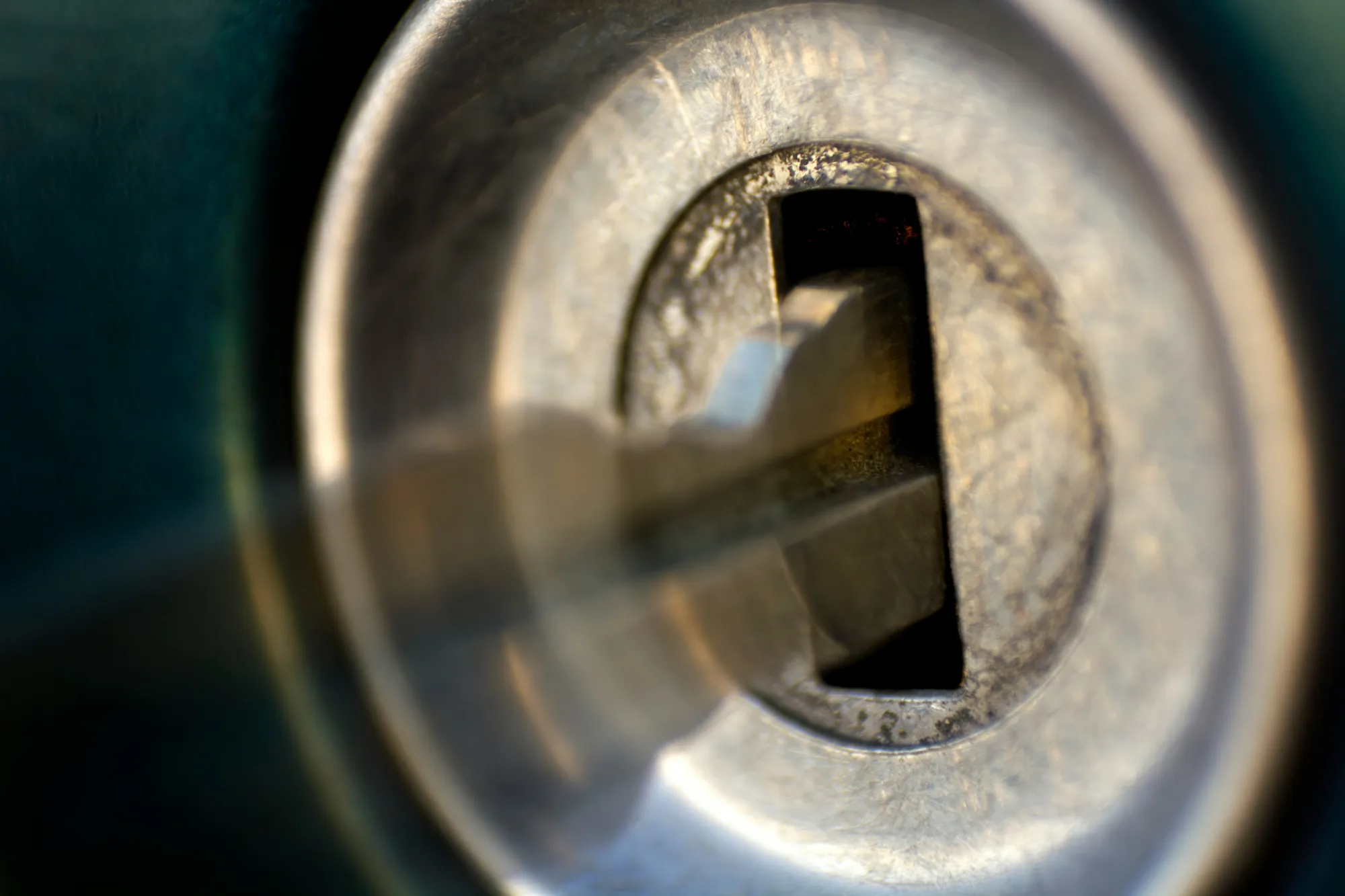
Keys usually snap under force. The Master Locksmiths Association lists turning a key that is not fully in, using the wrong key, forcing a jammed lock, holding the key while pushing the door, and earlier damage. It also finds that cheaper keys tend to have thinner blades, which break more easily.
A key is a thin strip of fairly soft metal, usually brass, doing a twisting job. It copes as long as the lock turns easily. When something resists, such as a stiff cylinder, a door that has dropped or bolts under strain, people turn harder and the key gives way. It tends to break near the head, or where a deep cut leaves little metal.
On uPVC and composite doors the cause is often the door, not the key. If you have to lift the handle hard or push the door before the key will turn, the bolts are rubbing on the frame and the key takes the strain. Getting the door adjusted early is usually a smaller job than a snapped key and a lockout.
Wear plays a part too. Brass is soft, so years of use round off the cuts, and a copy made from a worn copy tends to fit less well than the original. A key that needs jiggling, lifting or easing out slightly before it turns is a warning. So is a key that is already bent or has been used to open a paint tin.
If your key bends or sticks, get a fresh copy cut from the best key you have before it snaps. If it has snapped, keep both pieces. We remove snapped keys for £85 by day, and if the lock itself is worn out, a lock change on a standard euro or rim cylinder is £85 by day plus the cylinder. A standard euro cylinder is £25.
Useful next steps
Related questions
- How to remove a key that's stuck in a lock?
- Can I get a key cut from a snapped key?
- What are common uPVC door lock problems?