
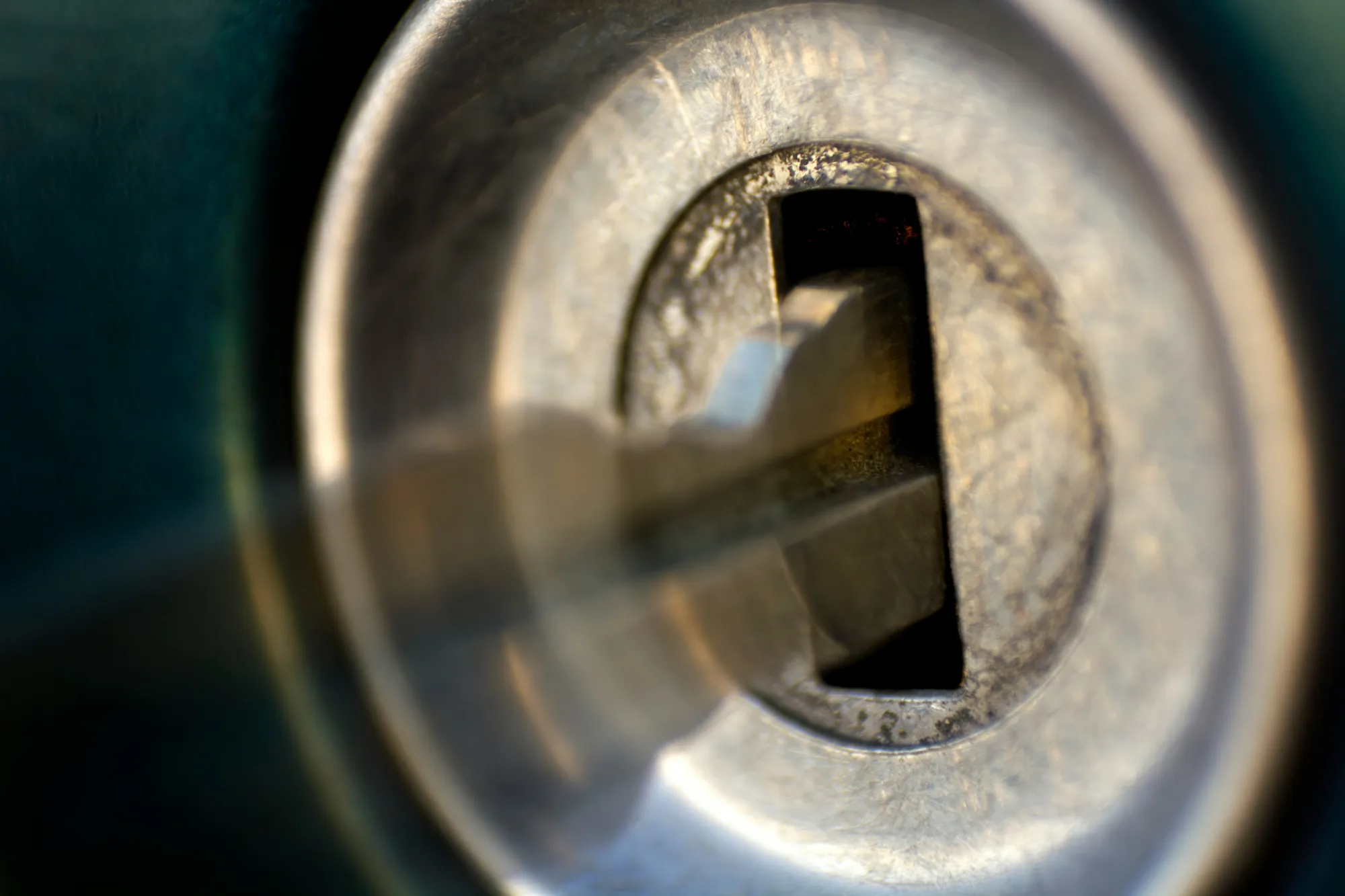
Yes: locksmiths use broken key extractors, thin steel blades with a small hook or teeth that slide in beside the piece and catch its cuts. If part of the key sticks out, fine needle nose pliers sometimes work. Improvised tools such as paperclips and screws tend to push it deeper.
An extractor is a strip of steel much thinner than a key, with a hook or a row of small barbs near the tip. It goes into the keyway alongside the broken piece, catches one of the cuts and draws the piece back towards the face of the lock. Locksmiths usually carry several shapes, because keyways differ from lock to lock.
You can buy extractor sets, but they take practice. The gap beside a snapped key is tiny, and a first attempt often catches the pins instead of the key, or shoves the piece further in. The Master Locksmiths Association advises against removing a snapped key yourself, because it can push the piece deeper and damage the inside of the lock.
The tool that sometimes helps at home is a pair of fine needle nose pliers or strong tweezers, and only when a clear piece of the key sticks out. Pull straight back, gently, and stop if it slips. Superglue, screws and anything you have to force make it worse. Glue in particular can set on the pins and cost you the lock.
If the piece is flush or out of sight, that is extractor work. We remove snapped keys for £85 by day (8am to 6pm weekdays), £120 in the evening and at weekends and £150 at night (10pm to 8am), with travel and up to one hour on site included. Send your job through the form or the chat.
Useful next steps
Related questions
- How to take a broken key out of a lock?
- How do you get a broken key out of a lock with a paperclip?
- Can a magnet remove a broken key?