In the UK, replacing is the usual answer for a euro or rim cylinder, because cylinders are made to swap whole and rekeying tends to save little. Replacing also lets you upgrade to a TS007 3 star cylinder, rather than keeping an old, unrated lock with new keys.
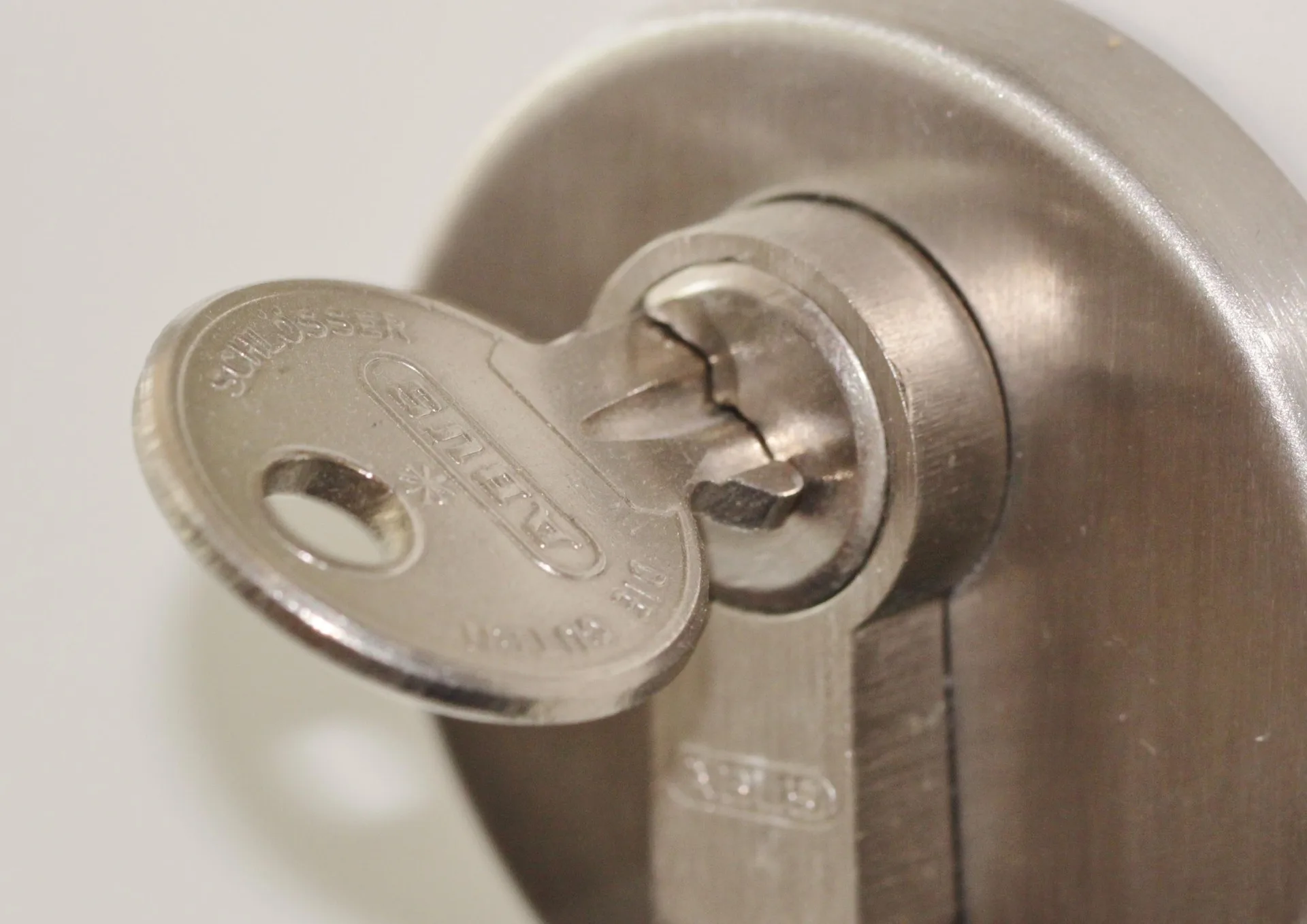
Rekeying means changing the pins inside a lock so a new key works and the old one does not. It is common in the US. In the UK, the euro cylinder on a uPVC or composite door and the rim cylinder on a night latch are usually replaced whole instead, because both are designed to be taken out and swapped.
Replacing tends to win on cost. A new cylinder comes with its own keys and fits in minutes once it is measured, while repinning an old one takes parts, tools and bench time. A locksmith who rekeys still has to come out, remove the cylinder and refit it, so the saving tends to be small.
Replacing also lets you upgrade, which rekeying cannot. If the old cylinder has no TS007 or Sold Secure Diamond (SS312) marking, new keys leave you with the same lock. West Yorkshire Police name those two as the national standards for cylinders and recommend 3 stars as the minimum when upgrading, either a 3 star cylinder or a 1 star cylinder with a 2 star handle.
Lever mortice locks on wooden doors are different. Some can be rekeyed by changing the levers, which can make sense for a lock in good condition. Locksmiths tend to replace an old or worn mortice lock instead, especially one without BS3621 on the faceplate, because the Master Locksmiths Association says some insurers insist on that standard.
For a euro or rim cylinder, our lock change is £85 on weekdays from 8am to 6pm, £120 on evenings and weekends and £150 from 10pm to 8am, plus the cylinder, which is £25 for a standard euro or £60 for a TS007 3 star anti snap, with travel and up to one hour on site included.
Useful next steps
Related questions
- Can I replace a door lock myself?
- How much should it cost to change a lock?
- Should I change all the locks after buying a house?